


Four Core Risk Themes
Wealth preservation drives the Aurora service, and physical precious metals directly address the four core risk themes facing global investors. Select a Category:





Political / Historical Risk
History Repeating Itself
For thousands of years, from 3rd Century Rome to 18th
Century France, 1930s Europe or current western
inflationary woes, history offers clear lessons.
Specifically, and without exception, all empires, nations
or regimes which find themselves at fatal debt levels
eventually resort to the seductive (as well as desperate)
call to devaluing their currency and increasing their
economic and political controls. We’ve seen current
examples, from lockdowns, media censorship, misreported
inflation data and the curtailment of civil liberties to
the slow rise of CBDC as a surveillance/control
instrument, masquerading as an efficient “payment
system.” Of course CBDC is just nothing more than
fiat money in a digital form; it will do nothing to
protect currencies from further creation, and hence
further debasement.
Devaluing Currencies to Pay Debts Ends Badly
Such measures, which begin slowly at first, eventually
become addictions, as weaker and weaker currencies are
rolled out with increasing speed to mask otherwise
unsustainable over-spending policies and unpayable debt
burdens.
Initially, currency expansion feels almost miraculous, but the end result is always the same: A tragic transition from economic boom to bust follows. What equally follows is the destruction of the underlying currency and greater social unrest contained by increased political centralisation and controls from the extreme political left or right.

Higher Risks Today
Central banks have promulgated a fantasy that such
artificial measures are sustainable. This included the
growing popularity of “unlimited QE” under economic
theories like Modern Monetary Theory (MMT) which have been
wrongly presented as a viable and sustainable policy
solution.
Understanding Yesterday, Preparing for
Tomorrow
Debt cannot be solved with more debt paid for by
currencies created out of thin air. The inevitable
end-game is always the same: Currencies collapse in value
and purchasing power, a fact playing out in real-time
today. As the following report makes clear, currencies are
always the last bubble to “pop.”
Banking Risk
Despite years of central bank support and headline-making bailouts in 2008 and 2020, commercial banks face a myriad of ongoing operational and structural risks.
The Derivatives Market— A Ticking Time-Bomb
Forefront among these risks is bank exposure to a now
irrationally over-valued derivatives market. The notional
value of this market is far greater than a
quadrillion-dollars. Banks face massive counter-party and
concentration risk in this inflated sector.
Dangerous price swings in sovereign bonds have been equally disruptive to the value of bank balance sheets, prompting the recent and future failure of more regional banks and hence greater consolidation, as well as centralisation, among the larger banks. Ultimately, central banks, and CBDC, will replace traditional banking and cash practices, as well as personal privacy.
Holding Gold in Banks Invites Counter-Party
Risk
Investors bracing for any and all macro eventualities
recognise that holding physical gold within such banks (or
ETF “paper gold” held at these institutions) invites far
too much operational and counter-party risk.

Physical gold held in the banking system, even in segregated or specially allocated accounts, is vulnerable to inherent counter-party risk. In the event banks or their intermediary custodians or managers ever experience illiquidity or other structural failure, client gold is compromised.
In such circumstances, investors would find themselves standing in line as second priority holders rather than direct owners of their own precious metal assets. In short, it’s not just cash deposits which are at risk during a bank “run;” one’s precious metals are equally vulnerable.
Direct Solutions Through Direct Ownership
At VON GREYERZ, our investors enjoy direct and
unencumbered ownership of their assets with significantly
reduced counter-party risk. This is a critical component
of our long-term risk management, client-focused
philosophy.
Such direct ownership sets us far above other precious
metal service providers.
For more details on the critical importance of owning
physical precious metals outside a highly compromised
banking system, click the button below:
Currency Risk
Money Printing Gone Too Far
Sophisticated individuals, families and institutions
recognise that record-high global debt levels accompanied
by historically declining GDP growth rates represents a
fractured financial system, whose global debt-to-income
ratio is currently 3 to 1.
Such a disconnect between rising debt levels and stagnating GDP can only be sustained by equally record-high levels of global fiat currency creation (i.e. Quantitative Easing, or “money printing”).
Masking Reality with Fake Paper Money
Fabricated paper/electronic money rather than actual income from
robust trade, manufacturing and sound corporate and political
governance has been abusively used to mask these otherwise
broken economic realities.
Global policy makers are effectively buying their own sovereign
and corporate debt with money created from nothing.
A Dangerous Game
This is a dangerous game played throughout history, and
one which, without exception, always ends badly for those
who lacked the foresight to hold physical gold and silver
as insurance against the declining purchasing power of
their respective currency.
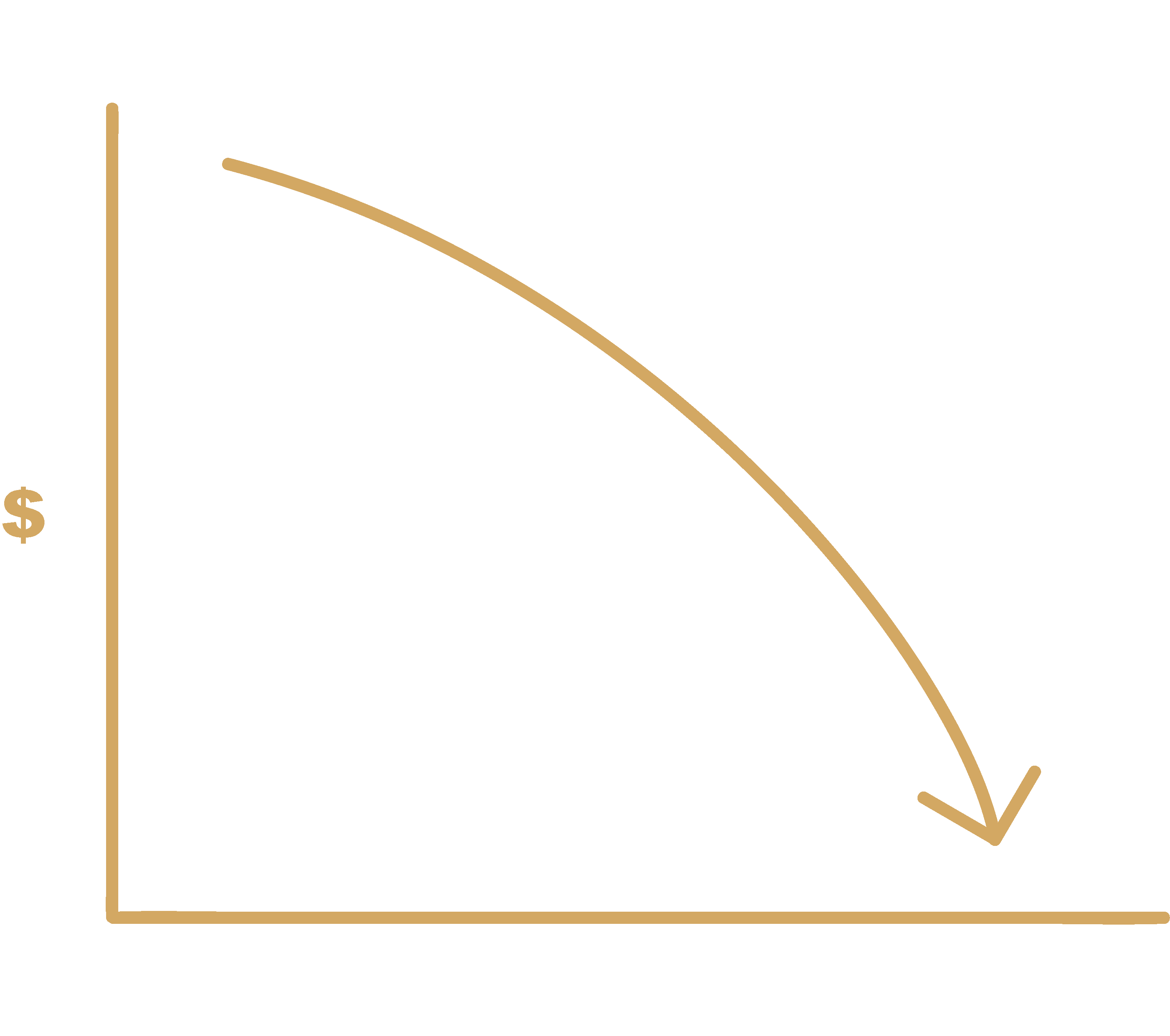
Too many pundits focus on a currency’s “relative” strength
yet overlook the real question—namely its inherent
purchasing power. Using the Euro and US Dollar as key
examples, the decline of their purchasing power as
measured against gold is not only self-evident, but
increasing.
Extreme Currency Creation Results in Extreme Currency
Devaluation
The staggering level of fiat money creation and zero-to-negative
interest rate policies (effectively using debt to solve a debt
crisis) which emerged after the Great Financial Crisis of 2008
is now beyond dispute. The direct impact such policies have had
upon declining global currencies is, again, both self-evident
and deeply concerning, despite interim efforts (beginning in
2022) by the US Fed to raise rates and strengthen the USD.
These policies (along with a weaponised USD following the
Ukraine War) have only encouraged the BRICS and numerous other
nations to slowly but steadily de-dollarize in a global
financial and currency setting increasingly marked by competing
trade and currency blocks.
In the end, of course, ALL fiat currencies, throughout history, ultimately go to zero, which explains why central banks, since 2010, have been net-buyers of gold. In 2022, central banks in general, and eastern central banks in particular, bought physical gold at levels never seen before in the five decades of central bank gold reporting. The implications of this inevitable, as well as predictable, trend are beyond dispute.
Market Risk
Stocks Follow Money Printers
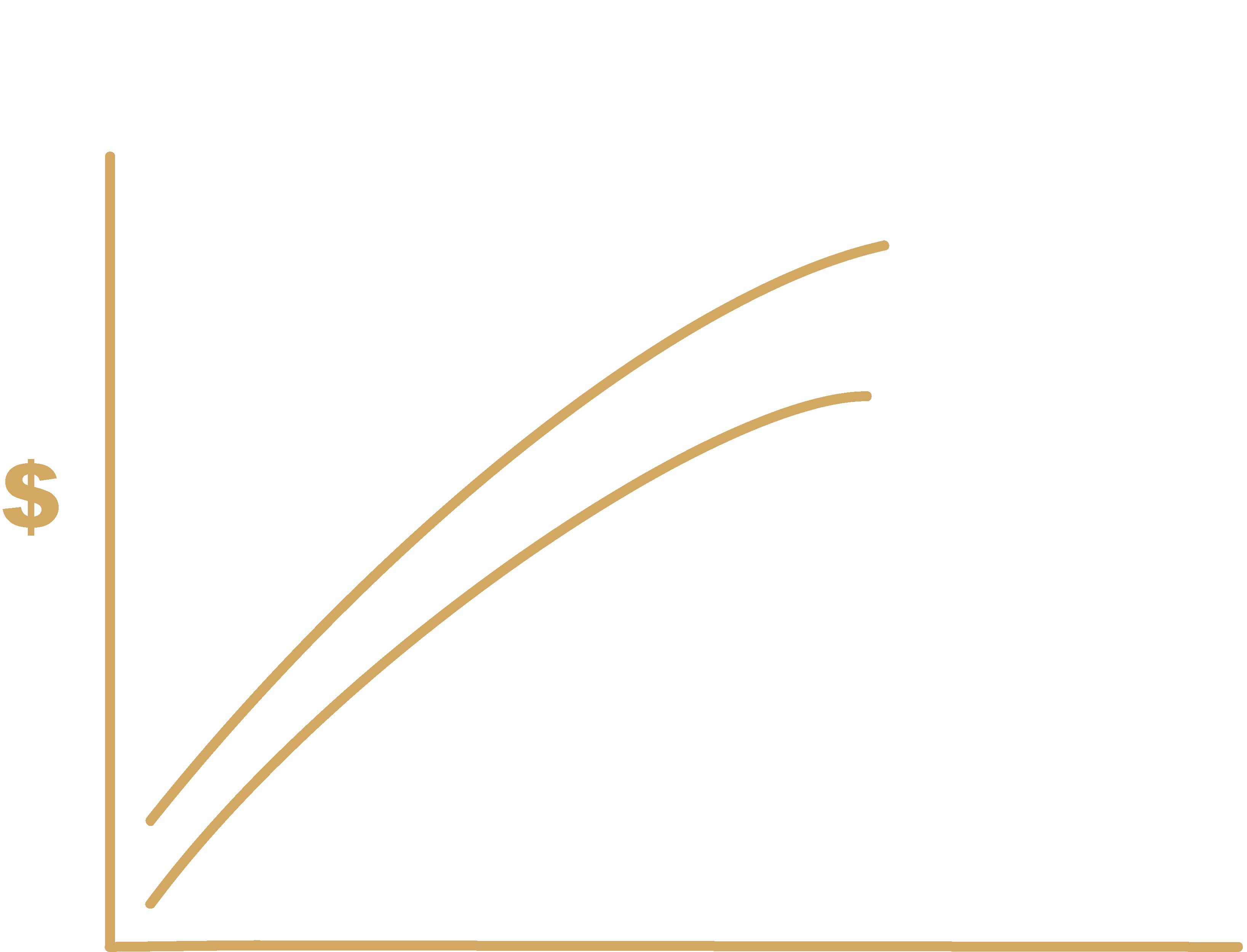
The correlation of rising stock prices to extreme money
printing and interest rate suppression by post-08 central
banks is objectively obvious.
Equally obvious is the impact subsequent rate hike policies (too much, too late, too fast) have had on credit, equity, real estate and financial markets, from Silicon Valley Bank to Credit Suisse. In short: markets follow central bank policies, and those policies are failing.
Market Volatility Ahead
Such central-bank-distorted market highs and lows ultimately
lead to increased price swings and hence market volatility
against which precious metals have consistently served as a
reliable buffer in the past as well as present.
Bonds: No Longer a “Safe Haven”
Traditionally, sovereign and corporate bonds were perceived as a
counter-force and/or safe-haven asset to offset extreme stock
market volatility. Unfortunately, years of central bank rate
manipulations have placed bonds at risk. They fall with, rather
than protect against, falling stocks.
Credit markets across the globe have and will gyrate from gross
over-valuation to sudden de-valuation, as witnessed throughout
2022-23.